Smart logistics: knowing where every package is (for real)
In intralogistics, one minute spent looking for a package can turn into delays, shipping errors and a loss of reliability. At Finvalia, the Smart Logistics pilot tackles exactly that: controlling stock in real time, recording movements and validating shipments. How? By integrating IoT, RFID and AI algorithms with management systems (WMS/ERP) and a shared platform across companies.
The problem: more complexity, less room for error
At the Intralogistics roundtable, several factors were identified as putting extra pressure on factory dispatch operations: increased production capacity, reduced storage space, greater customization with just-in-time requirements, and a shortage of qualified labor.
Where does this have an impact? In four very specific pain points:
- Reliable real-time stock.
- Traceability of every movement and handling operation affecting each package.
- Time lost locating packages inside the warehouse, affecting loading agility.
- Shipment verification: making sure nothing is shipped that should not go out, and nothing that should go out is left behind.
The solution: integrated traceability across the value chain
The common thread of the pilot is the application of an innovative multi-system traceability solution to track material from Finsa to Vales and Couceiro, based on a collaborative logic: Finsa labels the product and shares the information on a common platform so that Vales can automatically register and control stock; and Vales labels its product so that Couceiro can do the same.
How a package is located on the plant floor
(without human intervention)
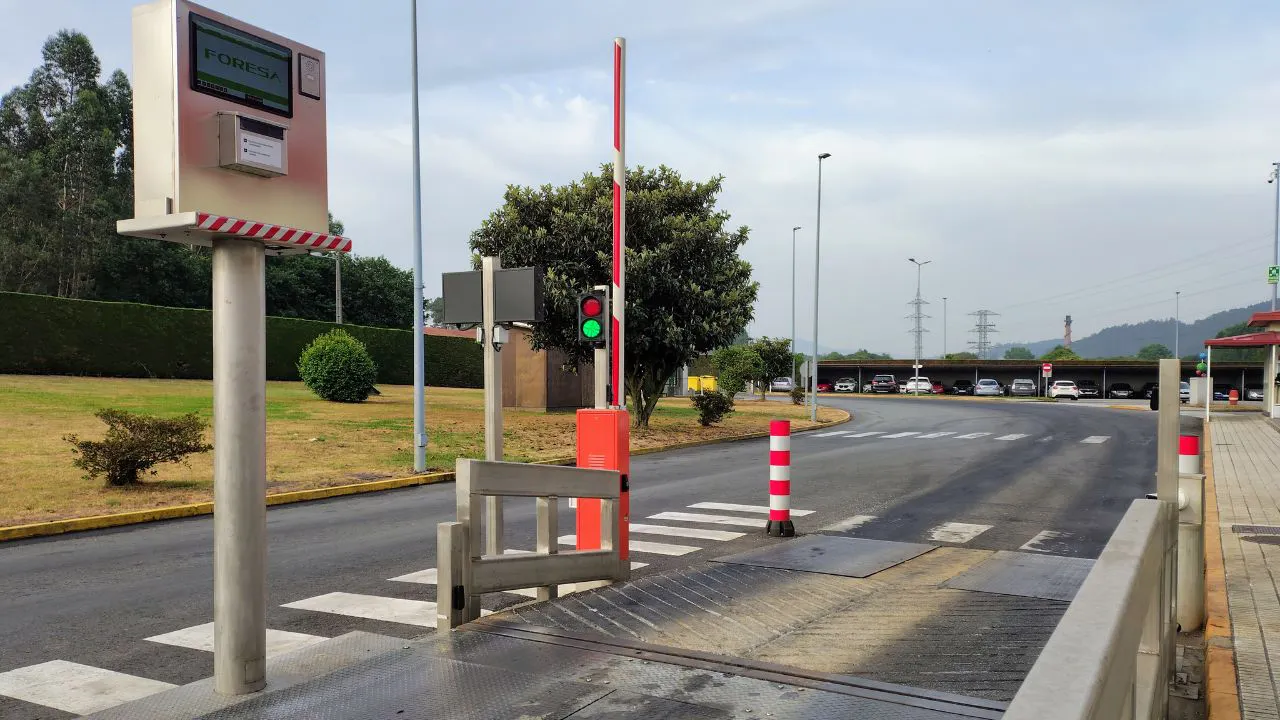
The solution involves implementing an Automatic Package Position Control System on the plant floor through:
- Sensorized forklifts with onboard RFID reading.
- RFID readers at warehouse entry and exit points to record locations.
- Indoor/outdoor positioning techniques (LIDAR with SLAM) for greater accuracy.
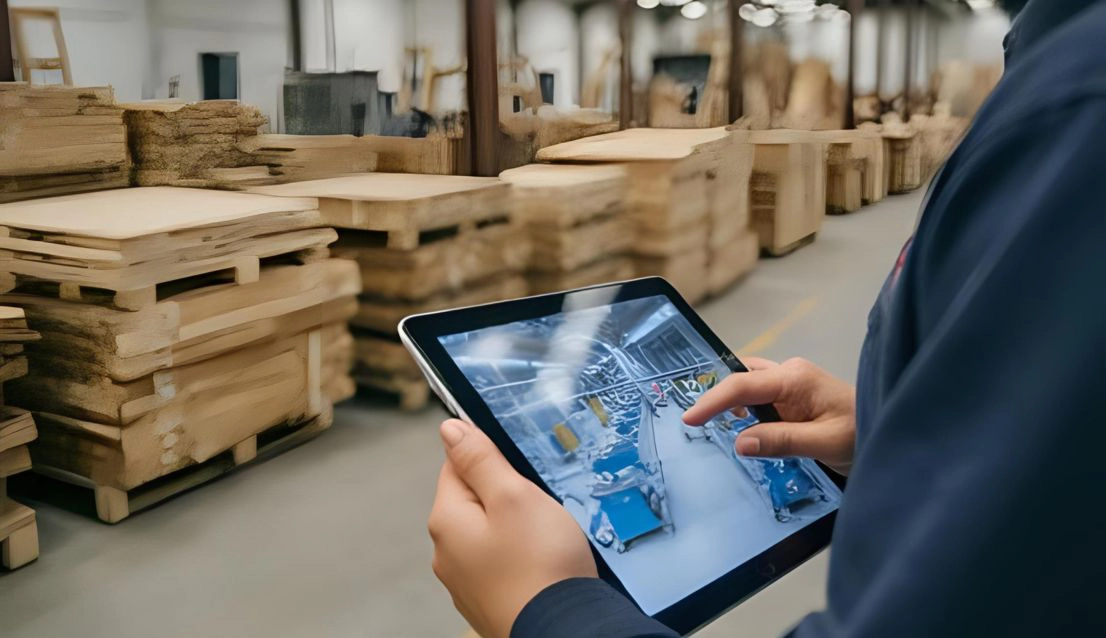
- A global platform that makes it possible to view warehouses, forklifts and loading bays, as well as the movement history.
Real-world challenges: making it work in day-to-day operations
This is not just about putting labels on packages. The project itself identifies several challenges:
- Validating the feasibility and reliability of RFID in real operation, and designing process-specific detection/labeling.
- Developing filtering algorithms for noisy readings.
- Integrating RFID hardware with existing systems: WMS/ERP and, where applicable, a digital twin.
Pilot status update
During the first year, work has focused on milestones such as identifying needs, modeling the intralogistics flow and customer integrations, validating a hardware prototype for real-time monitoring and traceability, and developing/offline validating the process control software. What is the next step? Integrating the prototypes into the actual process and refining them further, something we will report on at the end of the project in 2026.