WMS and smart weighbridges: connected intralogistics in the factory
In a factory, logistics covers everything from the receipt of raw materials to their storage, internal movement, dispatch and the departure of vehicles from the premises. Each of these operations generates valuable information: what material enters, where it is located, how it moves, when it is dispatched and which vehicle is involved in each flow.
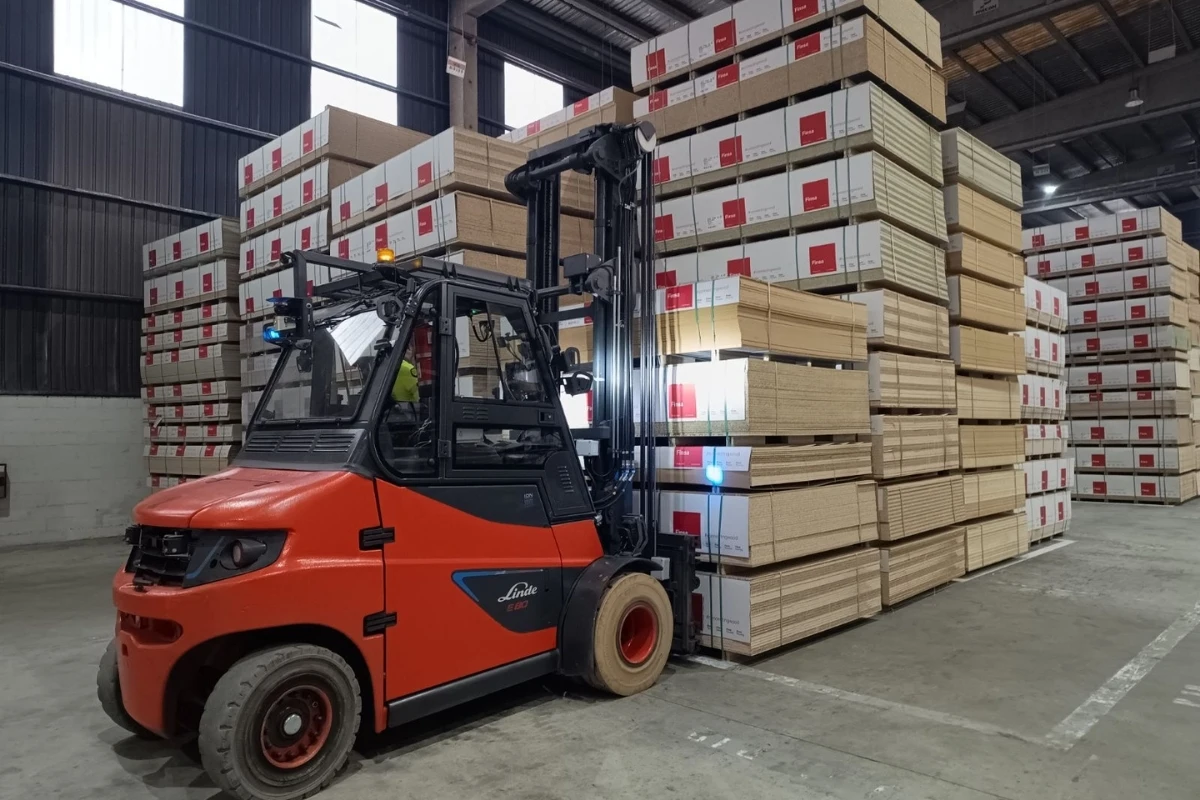
Within Finvalia, Foresa is working on a smart intralogistics pilot that addresses this process in an integrated way. The initiative combines the implementation of a Warehouse Management System, or WMS, with forklift sensorisation and the automation of inbound and outbound weighbridges. The aim is to move towards more digital, traceable and efficient internal logistics, reducing unproductive time and improving the availability of information for decision-making.
The WMS as the core of the pilot
The central element of this pilot is the WMS, a tool designed to digitalise activities related to internal logistics, from the receipt and storage of raw materials to location management, movement preparation and product dispatch.
In an industrial environment, locating materials, monitoring inventories or ensuring correct stock rotation can become a complex task when different areas, mobile equipment, product references and production needs are involved. When part of this management depends on manual checks or fragmented information, idle time, duplicated tasks and potential errors may arise.
The WMS helps organise this flow and provides a more structured view of what is happening in the warehouse. Every movement can be recorded in a digital system, making it easier to access up-to-date information, improve planning and reduce dependence on manual processes.
Less idle time and greater control
One of the challenges addressed by the pilot is reducing the time spent searching for materials. In a factory, locating a raw material or confirming its position may seem like a minor task, but when it is repeated many times throughout the working day, it has a direct impact on efficiency.
Warehouse digitalisation makes it possible to know where each material is located, what condition it is in and how it should be moved within the plant. This information helps avoid unnecessary travel, improve coordination between areas and speed up the response to production or dispatch needs.
Forklift sensorisation complements this approach. Mobile equipment is a key part of intralogistics because it physically connects the different areas of the plant. Incorporating information about forklift movements provides a more complete view of the actual flow of materials, rather than merely their theoretical location.
Inventory and raw material rotation
The pilot also aims to improve inventory management. Manual stock counts require time, coordination and resources. In addition, when information is not updated quickly enough, discrepancies may arise between actual and recorded stock.
With a WMS, inventory management is integrated into daily operations. Every receipt, movement and dispatch updates the system, helping to provide more reliable and current data. This reduces administrative workloads and improves control capabilities.
Another relevant aspect is the correct rotation of raw materials. In Foresa’s case, this is particularly important because of the nature of the products being managed and the need to comply with safe storage requirements, including those associated with Spain’s APQ regulations for chemical products.
The weighbridge, connected to the logistics flow
Alongside the WMS and forklift sensorisation, the pilot includes the automation of vehicle entry and exit weighbridges. This functionality acts as a connection point between internal logistics and external transport.
Automated weighing and automatic number plate recognition help streamline access to the factory, reduce waiting times and minimise administrative tasks that do not add direct value to the process. Each vehicle can be identified, its movement recorded and linked to the corresponding inbound or outbound flow.
Through this pilot, Foresa is progressing within Finvalia towards more connected, traceable and efficient logistics, in which the warehouse, mobile equipment and access points work together to transform everyday operations into useful data for better management.